«Art Lab»
Fondation Beyeler: Im Gespräch mit Naomi Ena Eggli
Im Gespräch mit Naomi Ena Eggli tauchen wir in
eine Arbeitsweise ein, die sich weniger an Orte als an Menschen und inspirierende Verbindungen knüpft. Gemeinsam mit Nora Inja Petersen leitet sie das «Art Lab» der Fondation Beyeler nicht hierarchisch, sondern als gleichberechtigtes Mitglied der Gruppe. Mit Offenheit schaffen sie einen Raum für Dialog, Neugier und Zusammenarbeit, der Jugendlichen und jungen Erwachsenen unmittelbare Einblicke ins Museum ermöglicht. Naomi bewegt sich zwischen Museum, Uni, Atelier und Yogamatte, ohne ihren Kern zu verlieren. Wir sprechen mit ihr über Anfänge, neue Formate, Mut und Neugier.
Scroll for English
![]()
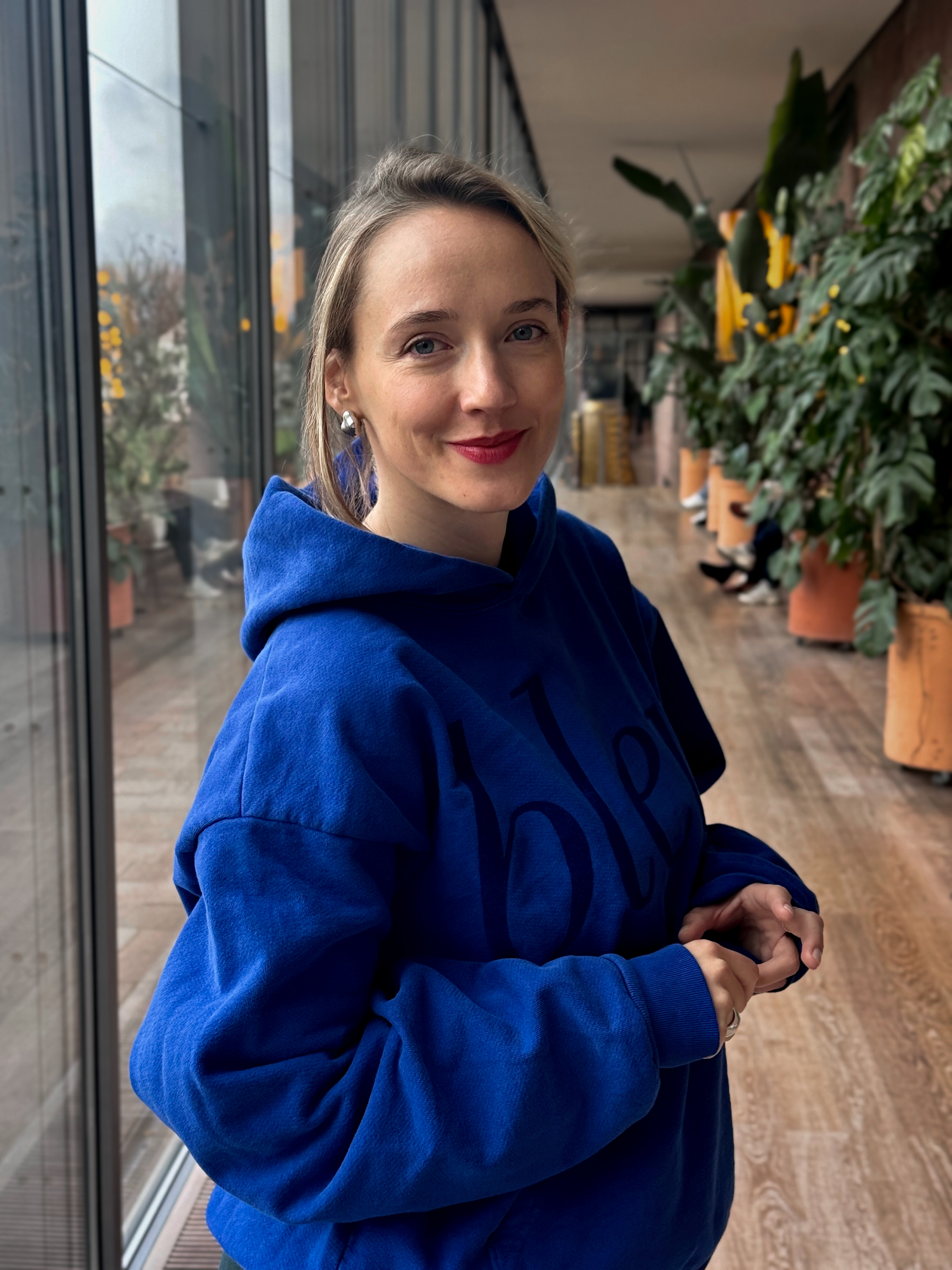
Hallo Naomi, bitte beschreibe dich in 3 Worten.
Offen, motiviert und involviert.
Gibt es Orte, die dich im Alltag inspirieren?
Für mich ist es tatsächlich weniger ein bestimmter Ort. Es sind vor allem die Menschen, die mich inspirieren. Ich habe das Glück, spannende Arbeitskolleg*innen und Freund*innen zu haben. Viele meiner Freund*innen kenne ich seit Jahren und wir kennen die Arbeitsweisen der anderen sehr gut. Ich liebe es, mit ihnen über meine Projekte zu sprechen und von ihren zu hören. Ihre Perspektiven und Herangehensweisen inspirieren mich sehr oft. In diesem Sinn kommt Inspiration für mich mehr von Menschen als von Räumen. Wenn ich Ausstellungen besuche und mich ein Kunstwerk anspricht, frage ich mich, welcher Mensch dahinter steht und warum diese Person etwas auf genau diese Weise gestaltet hat. Mich zieht immer der Hintergrund an, die Geschichte hinter dem Werk.
![]()
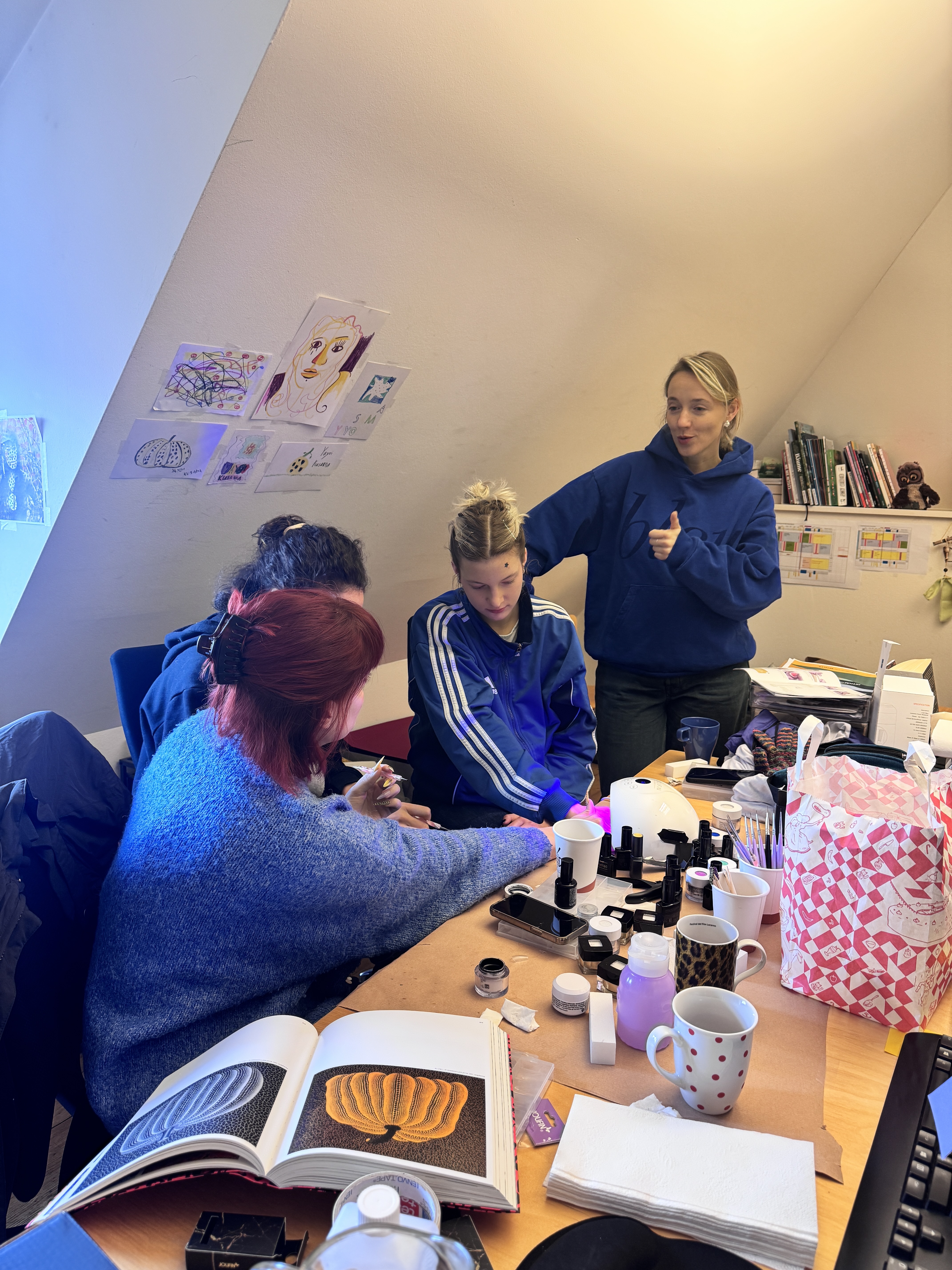
Du leitest das «Art Lab» der Fondation Beyeler. Wie war dein allererster Arbeitstag?
Den ersten Arbeitstag hätte ich fast verpasst. Ich war am Wochenende auf einer Fähre aus Griechenland, welche viel zu spät in Italien eintraf. Am Ende hat aber alles geklappt und ich konnte pünktlich meine Arbeit beginnen. Im Museum starteten wir sofort mit einer Tour durch alle Abteilungen. Ich lernte so viele Menschen kennen, dass ich mir unmöglich alle Namen merken konnte. Gleichzeitig begegnete ich direkt sehr sympathischen Kolleg*innen, die mir den Einstieg erleichterten.
Hattest du eine bestimmte Strategie für den ersten Arbeitstag?
Ich hatte mir die erste Arbeitswoche im Voraus zwar ausgemalt, aber dann war trotzdem alles anders. Ich tauchte voll und ganz in die Fondation Beyeler-Welt ein. Es blieb gar keine Zeit, nervös zu sein. Ich habe viele neue Leute kennengelernt. In den folgenden Wochen habe ich mir dann die Zeit genommen, mit jeder Abteilung einen Kaffee zu trinken. Das hat mir geholfen, zu verstehen, wie die Menschen arbeiten und wie alles miteinander verbunden ist.
![]()
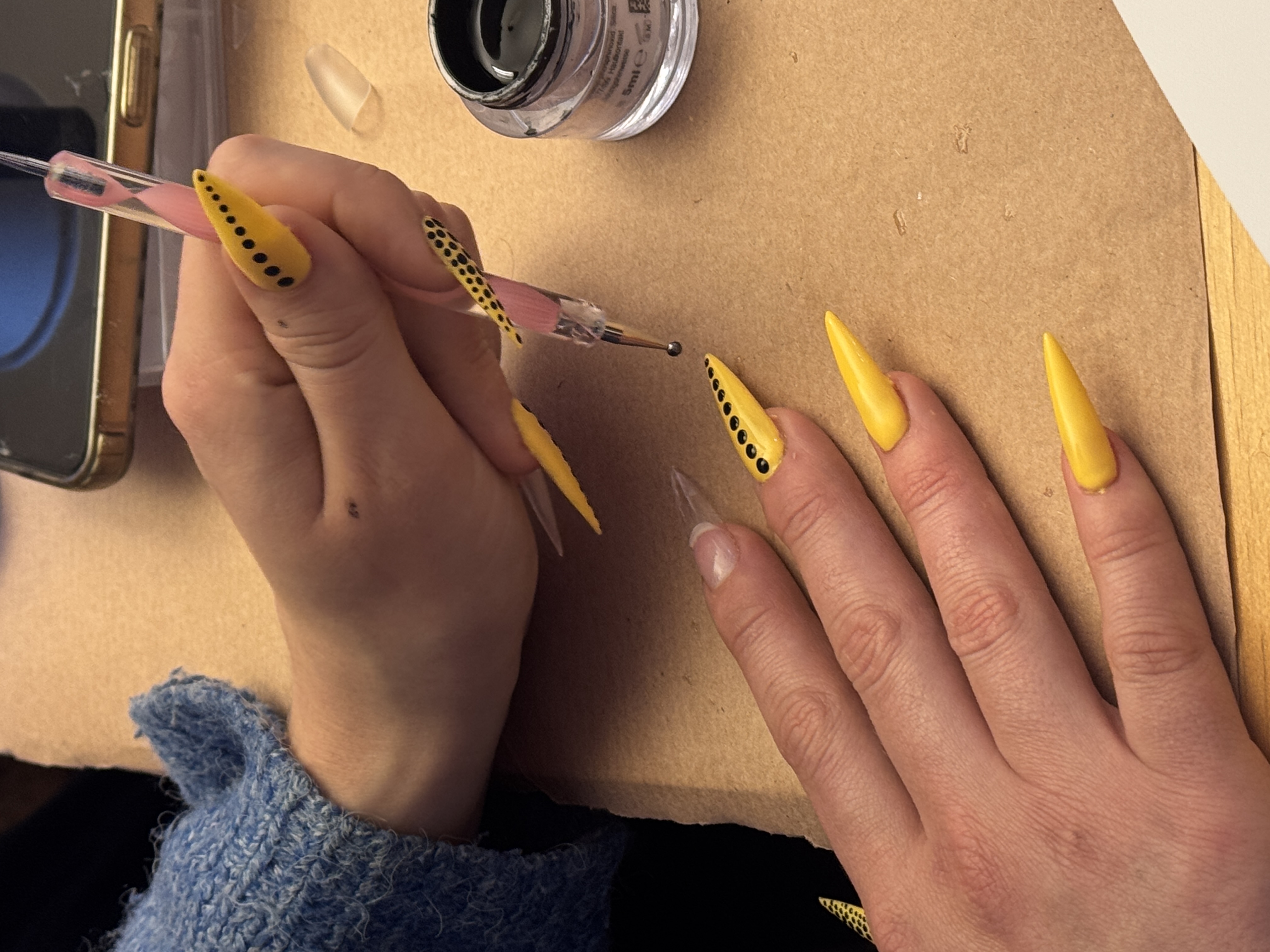
Welche Fähigkeiten sind für deine Rolle besonders wichtig?
Man muss kommunikationsstark sein und ein gewisses Selbstvertrauen mitbringen. Im «Art Lab» entwickeln wir ständig neue Formate, daher ist es wichtig, eigene Ideen überzeugend präsentieren zu können. Hilfreich ist auch Erfahrung darin, Projekte von Anfang bis Ende zu realisieren und zu wissen, wie man etwas wirklich aufbaut.
![]()
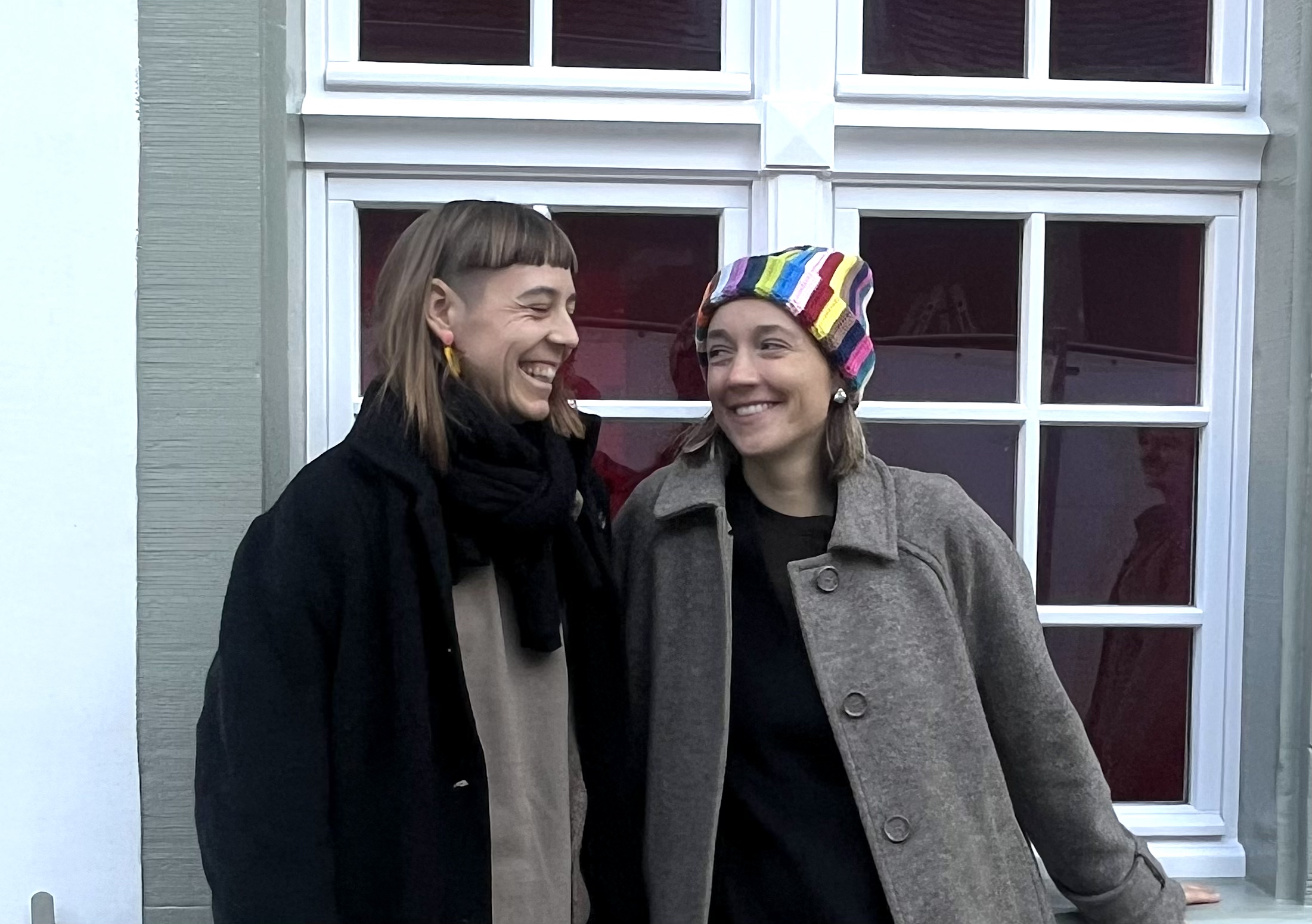
Wenn jemand in einer ähnlichen Position arbeiten möchte, welcher Hintergrund ist dafür sinnvoll?
Ich habe Design studiert – Trends und Identity an der Zürcher Hochschule der Künste, kurz ZHdK. Mein Studium hat mir viele Fähigkeiten vermittelt, die ich heute nutze: Ideen entwickeln, Konzepte erstellen, Prototypen bauen, testen, verfeinern und umsetzen. Ein Design- oder allgemein kreativer, lösungsorientierter Hintergrund ist eine gute Grundlage fürs «Art Lab». Aber selbst wenn man etwas ganz anderes studiert hat, wie beispielsweise Geisteswissenschaften, kann man seinen Platz in diesem Feld finden. Wichtig ist der Übergang vom Theoretischen zum Praktischen: mit Menschen arbeiten, mit Prozessen, mit realen Projekten wie Marketingkampagnen oder partizipativen Formaten. Beim «Art Lab» fühlt sich jedes Projekt wie ein Neuanfang an. Man lernt konstant weiter und muss keine Angst haben, alles wissen zu müssen. Es gibt immer neue Menschen, Themen und Herausforderungen. Die Bereitschaft, neugierig zu bleiben und zu lernen, ist oft wichtiger als die perfekte Ausbildung.
![]()
Wenn du in einem Kunstwerk aus der Sammlung der Fondation Beyeler leben könntest, welches wäre es und warum?
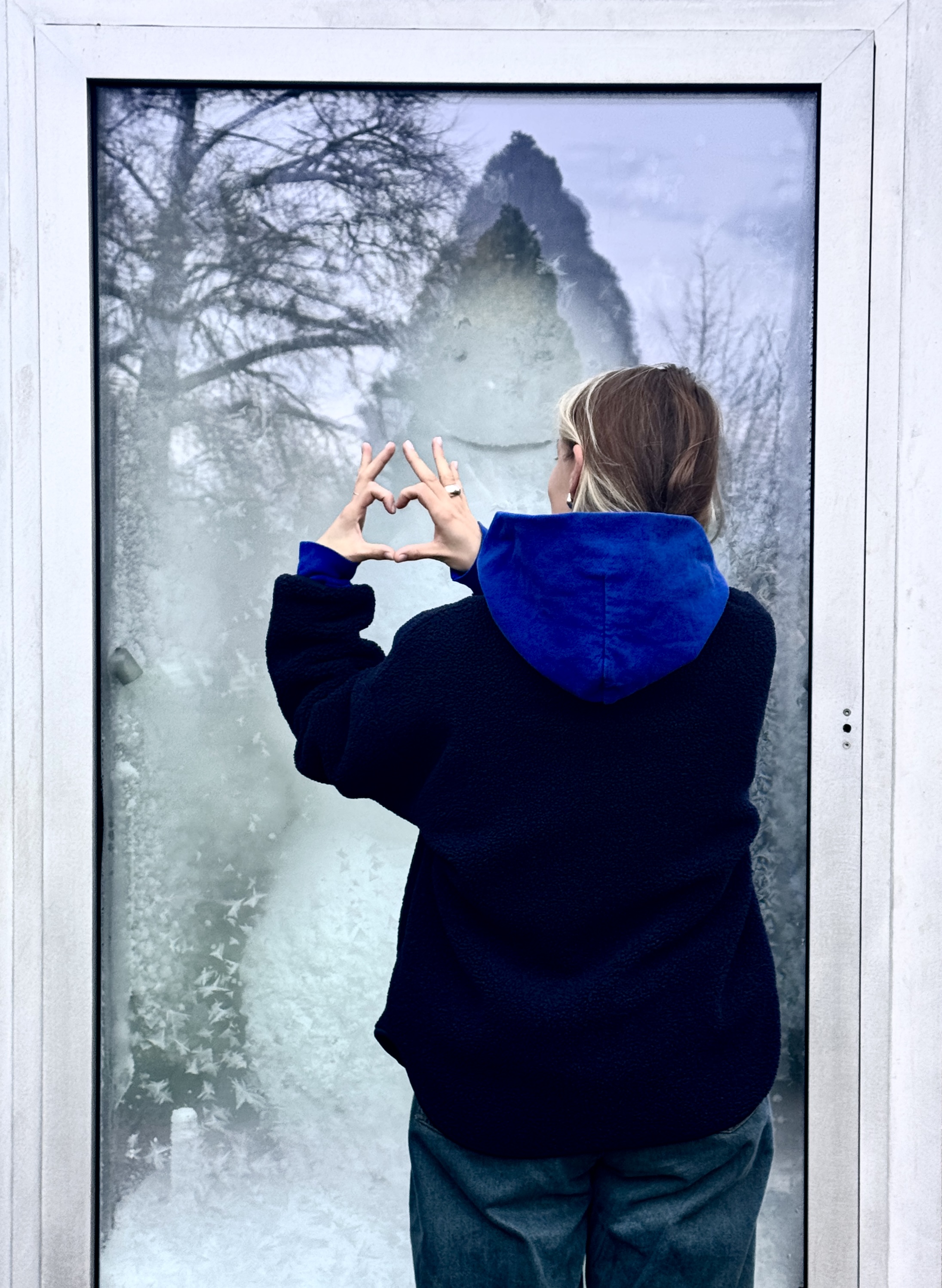
Es gibt ein Kunstwerk, das schon immer mein Favorit war. Es war auch das erste Werk, das mich in der Fondation Beyeler wirklich gepackt hat und ich glaube, vielen geht es ähnlich: der «Snowman» (Fischli/Weiss, Snowman, 2016, Kupfer, Aluminium, Glas, Wasser, Kühlsystem, 218 x 128 x 165 cm, Fondation Beyeler, Riehen/Basel) von Fischli/Weiss. Ich habe den Winter schon immer geliebt, besonders den Moment, wenn der erste Schnee fällt. Es ist magisch, wenn diese weissen
Flocken vom Himmel kommen und man sie zu einem Schneemann formen kann. Wenn Besucher*innen den Snowman sehen, müssen sie oft sofort lächeln. Das Werk macht sehr schnell glücklich. Aber wenn man tiefer schaut, verändert sich die Bedeutung. Der Schneemann steht in einem Gefrierschrank. Warum? Weil die Welt jedes Jahr wärmer wird. Und dann stellt man sich Fragen: Wird es in 20 Jahren noch Schnee geben? Werden meine Kinder je einen Schneemann sehen? Wird dieses Kunstwerk ausserhalb eines Kühlschranks überhaupt existieren können? Ich liebe Kunstwerke, die beide Ebenen vereinen, die unmittelbare Freude und die tiefere Reflexion. «Snowman» zeigt beide Seiten des Lebens auf wunderschöne Weise.
Wenn du ein Werkzeug wärst, welches wärst du und warum?
Wenn das Werkzeug meine Persönlichkeit widerspiegeln soll, dann wäre ich wohl ChatGPT. Denn wenn jemand mir etwas zuwirft, eine Frage, eine Idee, ein Problem, liebe ich es, daraus einen neuen Gedanken zu formen oder mit anderen Dingen zu verknüpfen.
![]()
Was war das seltsamste oder lustigste Erlebnis, das dir bei der Arbeit in der Fondation Beyeler passiert ist?
Die Tage in der Fondation Beyeler sind meist unvorhersehbar. Dies ist sehr interessant und herausfordernd. Die Institution ist sehr strukturiert, aber das Publikum bringt eine völlig eigene Dynamik hinein. Man plant, administrative Aufgaben zu erledigen und plötzlich ruft jemand an, weil er dringend Hilfe braucht. Jeder Tag wird zu einem kleinen Abenteuer. Ich schätze diese Momente am meisten, wenn ich merke, dass die jungen Menschen selbständig arbeiten und es mich eigentlich nicht mehr braucht. Dann wird das Museum zu ihrem Ort. Solche Momente sind es, für die ich arbeite, wenn junge Menschen Selbstvertrauen gewinnen, neue Fähigkeiten lernen, Dinge ausprobieren und erfolgreich umsetzen. Jedes Projekt verstärkt dieses Gefühl.
![]()
Lebst du im Beruf und privat die gleiche Rolle?
Im Kern bin ich die gleiche Person, aber weil ich viele unterschiedliche Dinge tue, bewege ich mich je nach Kontext in verschiedenen Rollen. Im «Art Lab» bin ich in einem Organisierungsmodus, Struktur, Planung, Aufgaben abhaken, dafür sorgen, dass alles läuft. An der Uni bin ich völlig anders. Da bin ich Studentin: Ich nehme Wissen auf, lese, lerne. Ich bin nur für mich verantwortlich, ich bin ruhig und absorbierend. Wenn ich an eigenen kreativen Projekten mit Freund*innen arbeite,
denke ich gross und schaue, wohin Ideen führen können. Diese Seite denkt gross, experimentiert und schaut, wohin Ideen führen können. Und dann gibt es meine Yoga-Lehrerinnen-Seite. Dort bin ich für das Wohlbefinden anderer Menschen verantwortlich und
probiere klar, ruhig und achtsam zu sein. Ich glaube, dass wir alle viele unterschiedliche Seiten haben, die wir an verschiedenen Orten zeigen können.
Ergänze den Satz: Wie wär’s mal mit...
...einem Spaziergang von Basel nach Riehen entlang der Langen Erle.
![]()
Vielen Dank an Naomi für die spannenden Einblicke in den Arbeitsalltag im Museum. Dieser Beitrag entstand in Kollaboration mit jungen, mitwirkenden Menschen der «Art Lab» Gruppe und dem Kulturverein Wie wär’s mal mit.
«Art Lab» Fondation Beyeler: In conversation with Naomi Ena Eggli
In conversation with Naomi Ena Eggli, we enter a way of working that is shaped less by places than by people and inspiring connections. Together with Nora Inja Petersen, she co-directs the «Art Lab» at Fondation Beyeler not hierarchically, but as an equal member of the group. Through openness, they create a space for dialogue, curiosity, and collaboration, one that gives adolescents and young adults direct access to the museum. Naomi moves fluidly between the museum, university, studio, and yoga mat without losing her sense of self. We talk with her about chaotic beginnings, new formats, courage, and curiosity.
Hi Naomi, please describe yourself in 3 words.
Open, motivated, and involved.
Are there places that inspire you in your every daily life?
For me, it’s actually less about a specific place. It’s mainly the people who inspire me. I’m fortunate to have inspiring colleagues and friends. I’ve known many of my friends for years, and we understand each other’s ways of working very well. I love talking with them about my projects and hearing about theirs. Their perspectives and approaches often inspire me greatly. In this sense, inspiration comes more from people than from spaces. When I visit exhibitions and a work of art speaks to me, I ask myself who the person behind it is and why they chose to create something in that particular way. I’m always drawn to the background, the story behind the work.
You lead the Art Lab at the Fondation Beyeler. What was your very first day at work like?
I had imagined what my first week at work would be like in advance, but in the end everything turned out differently. I immersed myself completely in the world of the Fondation Beyeler. There was no time at all to feel nervous. I met many new people. In the weeks that followed, I took the time to have coffee with each department. That helped me understand how people work and how everything is connected.
Were you nervous, or did you have a strategy for the first day at work?
I had imagined the week beforehand, but after everything that happened I was too tired to overthink, so everything unfolded on its own.
There wasn’t really time to be nervous, as soon as you left one person, you were already greeting the next. I simply went with the flow. In the following weeks, I took the time to meet every department for coffee. It helped me understand how people work and how everything connects.
What are the essential skills for your role?
You need to be communicative and have a certain level of self-confidence. In «Art Lab» we constantly develop new formats, so you must be able to present your ideas convincingly. It also helps to have experience realizing projects from start to finish, knowing how to build something from the ground up makes a big difference.
If someone wanted to work in a similar position, what kind of background would they need?
I studied design, Trends and Identity, at the Zurich University of the Arts (ZHdK). My studies gave me many skills that I still use today: developing ideas, creating concepts, building prototypes, testing, refining, and implementing them. A design background, or more generally, a creative, solution-oriented one, is a strong foundation for the «Art Lab». But even if you studied something completely different, such as the humanities, you can still find your place in this field. What matters is the transition from theory to practice: working with people, with processes, and with real projects like marketing campaigns or participatory formats. At the «Art Lab», every project feels like a new beginning. You are constantly learning and don’t have to be afraid of not knowing everything. There are always new people, topics, and challenges. The willingness to stay curious and keep learning is often more important than having the perfect educational background.
If you could live inside an artwork from the Fondation Beyeler collection, which one would you choose and why?
There is one artwork that has always been my favorite. It was also the first work that truly captivated me at the Fondation Beyeler, and I think many people feel the same way: “Snowman” (Fischli/Weiss, Snowman, 2016, copper, aluminum, glass, water, cooling system, 218 × 128 × 165 cm, Fondation Beyeler, Riehen/Basel) by Fischli/Weiss. I have always loved winter, especially the moment when the first snow falls. There is something magical about those white flakes coming down from the sky and being shaped into a snowman. When visitors see the “Snowman”, they often smile immediately. The work makes people happy very quickly. But when you look more closely, its meaning changes. The snowman stands inside a freezer. Why? Because the world is getting warmer every year. And then questions arise: Will there still be snow in 20 years? Will my children ever see a snowman? Will this artwork even be able to exist outside of a refrigerator? I love artworks that combine both levels, immediate joy and deeper reflection. “Snowman” shows both sides of life in a beautiful way.
If you were a tool, which one would you be and why?
If the tool were meant to reflect my personality, it would probably be ChatGPT. Because when someone throws something my way, a question, an idea, a problem, I love shaping it into a new thought or connecting it with other things.
What was the strangest or funniest thing that ever happened to you at work at Fondation Beyeler?
The days at the Fondation Beyeler are usually unpredictable. This is both very interesting and challenging. The institution itself is highly structured, but the public brings an entirely different dynamic into it. You plan to take care of administrative tasks, and suddenly someone calls because they urgently need help. Each day becomes a small adventure.
I value those moments most when I realize that the young people are working independently and that I’m no longer really needed. Then the museum becomes their place. These are the moments I work for—when young people gain self-confidence, learn new skills, try things out, and successfully put them into practice. Every project strengthens this feeling.
Do you feel you play the same role as a person in your work and in your private life?
At my core, I’m the same person. But because I do many different things, I move between different roles depending on the context. When I’m responsible for «Art Lab», I switch into an organizing mode, structure, planning, ticking off tasks, making sure everything runs. At university, I’m completely different. There I’m a student: I absorb knowledge, read, learn. I’m not the person in charge, I’m quietly taking things in. When I work on my own creative projects with friends, I think big and see where ideas can lead. That part of me thinks big, experiments, and sees where ideas can go. And then there’s my yoga-teacher side. In that role, I’m responsible for people’s well-being, and try to be clear, calm, and mindful. I believe that we all have many different sides, which we can show in different places.
How about...
...a walk from Basel to Riehen along the Lange Erle?
Many thanks to Naomi for the fascinating insights into everyday working life at the museum. This contribution was created in collaboration with the young participants of the «Art Lab» group and the cultural association Wie wär’s mal mit.
_
von Sofia Shumeiko
am 15.12.2025
Fotos
© Sofia Shumeiko für Wie wär's mal mit
Kunstwerke
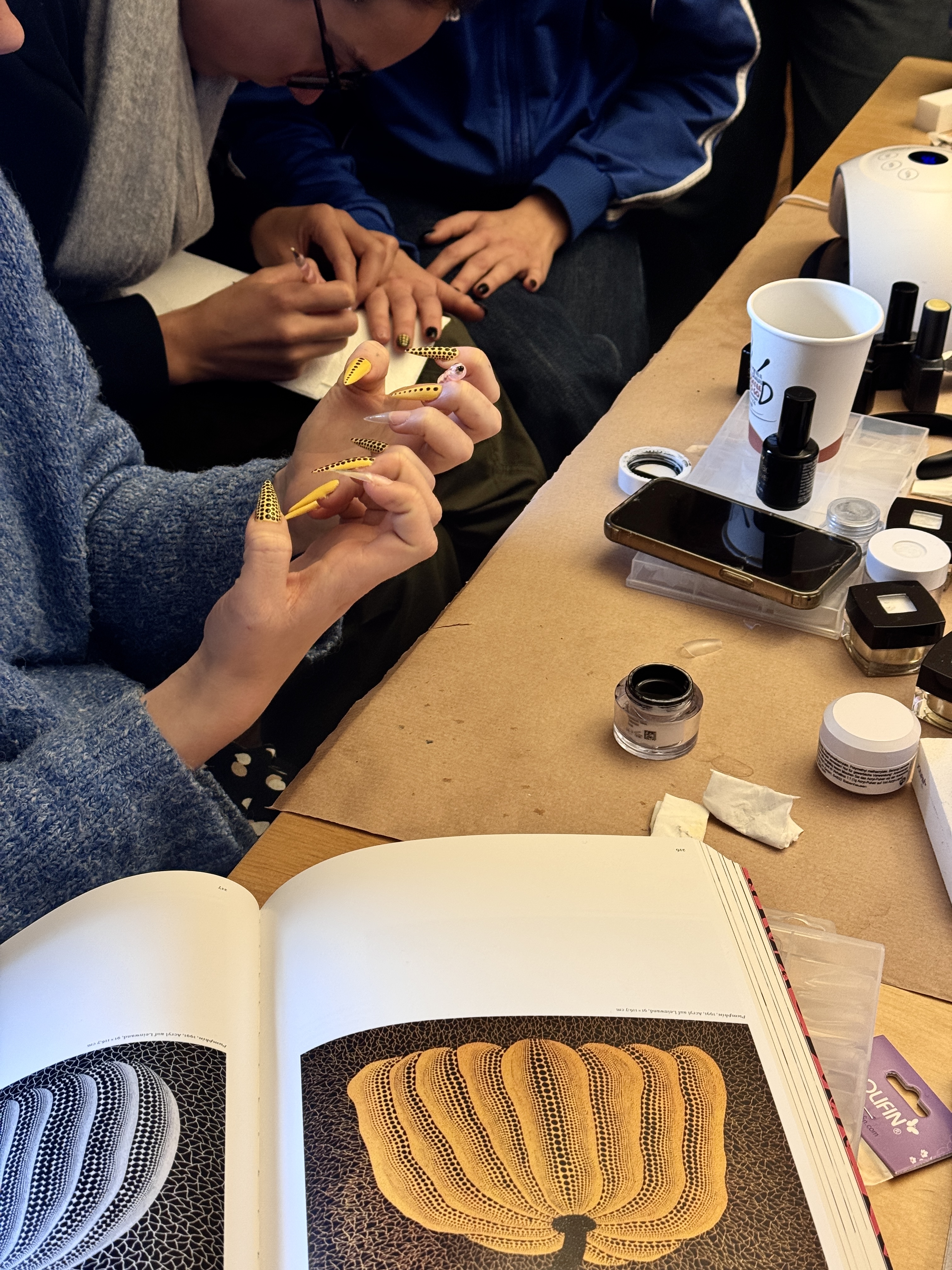
Installationsansicht «Eine kleine Kunstgeschichte des Punktes», Fondation Beyeler, Riehen/Basel, 2025
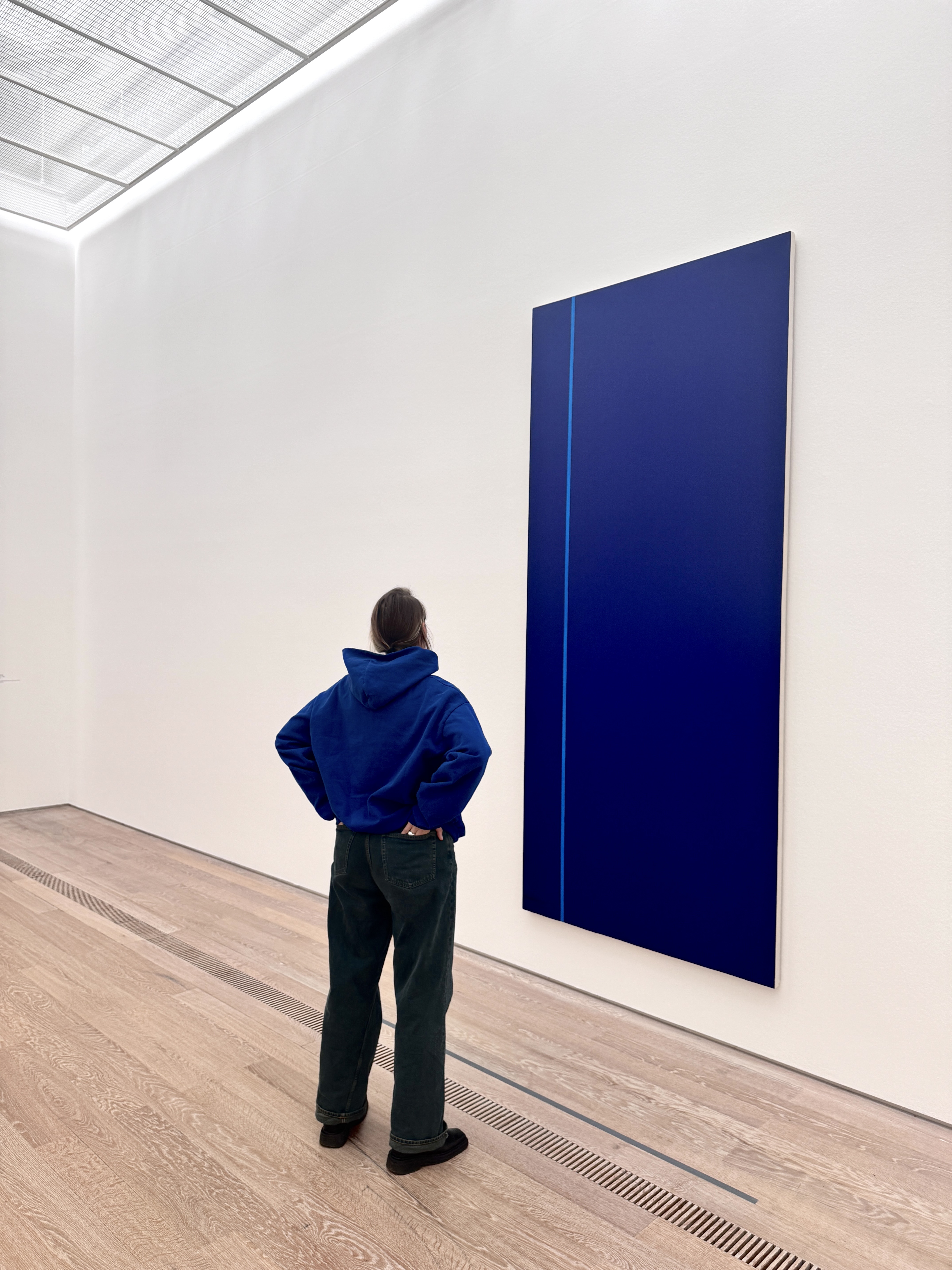
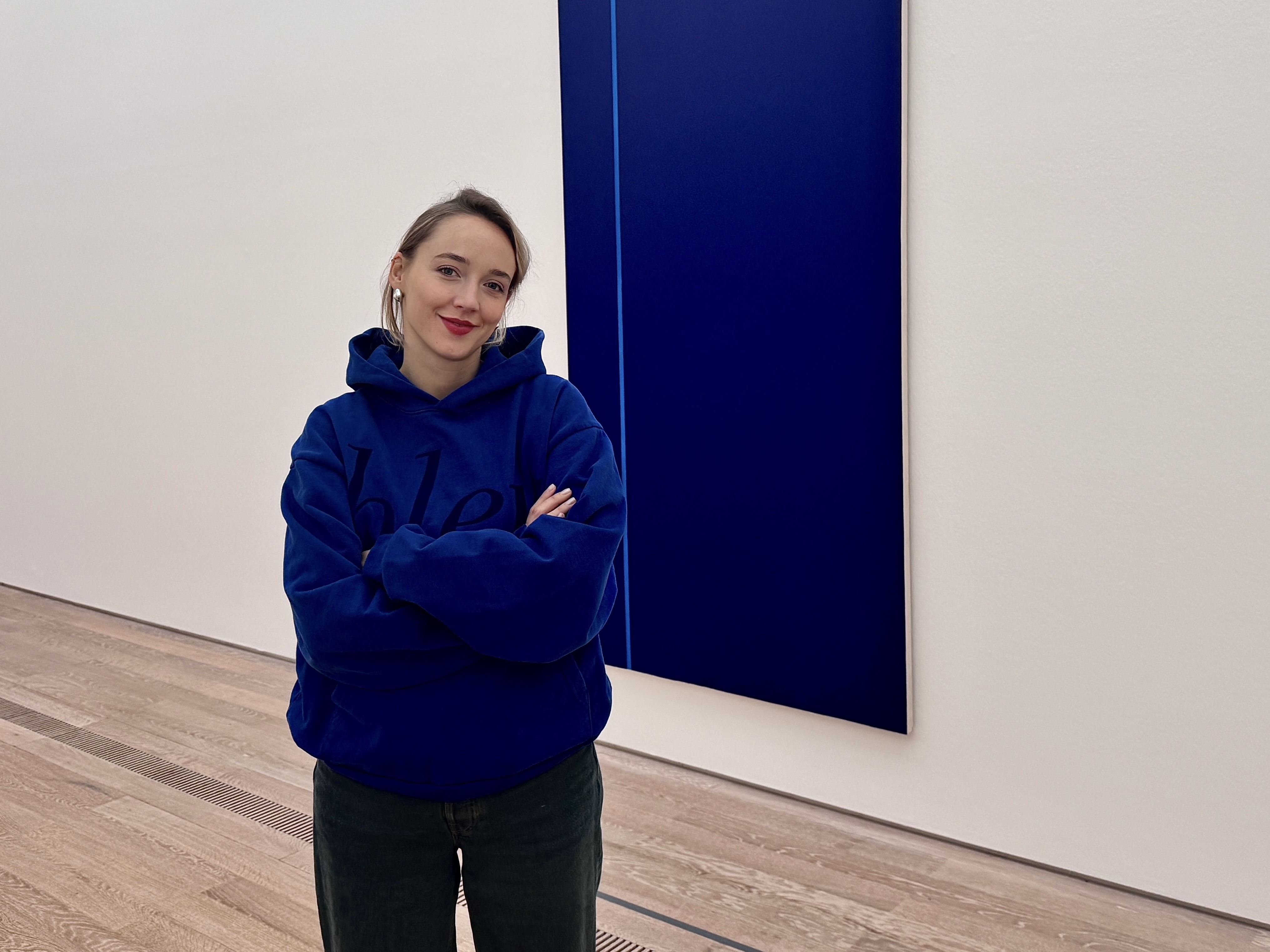
Barnett Newman, Queen of the Night II, 1967, Acryl auf Leinwand, 275,3 x 121,6 cm, Ananda Foundation N.V.
eine Arbeitsweise ein, die sich weniger an Orte als an Menschen und inspirierende Verbindungen knüpft. Gemeinsam mit Nora Inja Petersen leitet sie das «Art Lab» der Fondation Beyeler nicht hierarchisch, sondern als gleichberechtigtes Mitglied der Gruppe. Mit Offenheit schaffen sie einen Raum für Dialog, Neugier und Zusammenarbeit, der Jugendlichen und jungen Erwachsenen unmittelbare Einblicke ins Museum ermöglicht. Naomi bewegt sich zwischen Museum, Uni, Atelier und Yogamatte, ohne ihren Kern zu verlieren. Wir sprechen mit ihr über Anfänge, neue Formate, Mut und Neugier.
Scroll for English
Hallo Naomi, bitte beschreibe dich in 3 Worten.
Offen, motiviert und involviert.
Gibt es Orte, die dich im Alltag inspirieren?
Für mich ist es tatsächlich weniger ein bestimmter Ort. Es sind vor allem die Menschen, die mich inspirieren. Ich habe das Glück, spannende Arbeitskolleg*innen und Freund*innen zu haben. Viele meiner Freund*innen kenne ich seit Jahren und wir kennen die Arbeitsweisen der anderen sehr gut. Ich liebe es, mit ihnen über meine Projekte zu sprechen und von ihren zu hören. Ihre Perspektiven und Herangehensweisen inspirieren mich sehr oft. In diesem Sinn kommt Inspiration für mich mehr von Menschen als von Räumen. Wenn ich Ausstellungen besuche und mich ein Kunstwerk anspricht, frage ich mich, welcher Mensch dahinter steht und warum diese Person etwas auf genau diese Weise gestaltet hat. Mich zieht immer der Hintergrund an, die Geschichte hinter dem Werk.
Du leitest das «Art Lab» der Fondation Beyeler. Wie war dein allererster Arbeitstag?
Den ersten Arbeitstag hätte ich fast verpasst. Ich war am Wochenende auf einer Fähre aus Griechenland, welche viel zu spät in Italien eintraf. Am Ende hat aber alles geklappt und ich konnte pünktlich meine Arbeit beginnen. Im Museum starteten wir sofort mit einer Tour durch alle Abteilungen. Ich lernte so viele Menschen kennen, dass ich mir unmöglich alle Namen merken konnte. Gleichzeitig begegnete ich direkt sehr sympathischen Kolleg*innen, die mir den Einstieg erleichterten.
Hattest du eine bestimmte Strategie für den ersten Arbeitstag?
Ich hatte mir die erste Arbeitswoche im Voraus zwar ausgemalt, aber dann war trotzdem alles anders. Ich tauchte voll und ganz in die Fondation Beyeler-Welt ein. Es blieb gar keine Zeit, nervös zu sein. Ich habe viele neue Leute kennengelernt. In den folgenden Wochen habe ich mir dann die Zeit genommen, mit jeder Abteilung einen Kaffee zu trinken. Das hat mir geholfen, zu verstehen, wie die Menschen arbeiten und wie alles miteinander verbunden ist.
Welche Fähigkeiten sind für deine Rolle besonders wichtig?
Man muss kommunikationsstark sein und ein gewisses Selbstvertrauen mitbringen. Im «Art Lab» entwickeln wir ständig neue Formate, daher ist es wichtig, eigene Ideen überzeugend präsentieren zu können. Hilfreich ist auch Erfahrung darin, Projekte von Anfang bis Ende zu realisieren und zu wissen, wie man etwas wirklich aufbaut.
Wenn jemand in einer ähnlichen Position arbeiten möchte, welcher Hintergrund ist dafür sinnvoll?
Ich habe Design studiert – Trends und Identity an der Zürcher Hochschule der Künste, kurz ZHdK. Mein Studium hat mir viele Fähigkeiten vermittelt, die ich heute nutze: Ideen entwickeln, Konzepte erstellen, Prototypen bauen, testen, verfeinern und umsetzen. Ein Design- oder allgemein kreativer, lösungsorientierter Hintergrund ist eine gute Grundlage fürs «Art Lab». Aber selbst wenn man etwas ganz anderes studiert hat, wie beispielsweise Geisteswissenschaften, kann man seinen Platz in diesem Feld finden. Wichtig ist der Übergang vom Theoretischen zum Praktischen: mit Menschen arbeiten, mit Prozessen, mit realen Projekten wie Marketingkampagnen oder partizipativen Formaten. Beim «Art Lab» fühlt sich jedes Projekt wie ein Neuanfang an. Man lernt konstant weiter und muss keine Angst haben, alles wissen zu müssen. Es gibt immer neue Menschen, Themen und Herausforderungen. Die Bereitschaft, neugierig zu bleiben und zu lernen, ist oft wichtiger als die perfekte Ausbildung.
Wenn du in einem Kunstwerk aus der Sammlung der Fondation Beyeler leben könntest, welches wäre es und warum?
Es gibt ein Kunstwerk, das schon immer mein Favorit war. Es war auch das erste Werk, das mich in der Fondation Beyeler wirklich gepackt hat und ich glaube, vielen geht es ähnlich: der «Snowman» (Fischli/Weiss, Snowman, 2016, Kupfer, Aluminium, Glas, Wasser, Kühlsystem, 218 x 128 x 165 cm, Fondation Beyeler, Riehen/Basel) von Fischli/Weiss. Ich habe den Winter schon immer geliebt, besonders den Moment, wenn der erste Schnee fällt. Es ist magisch, wenn diese weissen
Flocken vom Himmel kommen und man sie zu einem Schneemann formen kann. Wenn Besucher*innen den Snowman sehen, müssen sie oft sofort lächeln. Das Werk macht sehr schnell glücklich. Aber wenn man tiefer schaut, verändert sich die Bedeutung. Der Schneemann steht in einem Gefrierschrank. Warum? Weil die Welt jedes Jahr wärmer wird. Und dann stellt man sich Fragen: Wird es in 20 Jahren noch Schnee geben? Werden meine Kinder je einen Schneemann sehen? Wird dieses Kunstwerk ausserhalb eines Kühlschranks überhaupt existieren können? Ich liebe Kunstwerke, die beide Ebenen vereinen, die unmittelbare Freude und die tiefere Reflexion. «Snowman» zeigt beide Seiten des Lebens auf wunderschöne Weise.
Wenn du ein Werkzeug wärst, welches wärst du und warum?
Wenn das Werkzeug meine Persönlichkeit widerspiegeln soll, dann wäre ich wohl ChatGPT. Denn wenn jemand mir etwas zuwirft, eine Frage, eine Idee, ein Problem, liebe ich es, daraus einen neuen Gedanken zu formen oder mit anderen Dingen zu verknüpfen.
Was war das seltsamste oder lustigste Erlebnis, das dir bei der Arbeit in der Fondation Beyeler passiert ist?
Die Tage in der Fondation Beyeler sind meist unvorhersehbar. Dies ist sehr interessant und herausfordernd. Die Institution ist sehr strukturiert, aber das Publikum bringt eine völlig eigene Dynamik hinein. Man plant, administrative Aufgaben zu erledigen und plötzlich ruft jemand an, weil er dringend Hilfe braucht. Jeder Tag wird zu einem kleinen Abenteuer. Ich schätze diese Momente am meisten, wenn ich merke, dass die jungen Menschen selbständig arbeiten und es mich eigentlich nicht mehr braucht. Dann wird das Museum zu ihrem Ort. Solche Momente sind es, für die ich arbeite, wenn junge Menschen Selbstvertrauen gewinnen, neue Fähigkeiten lernen, Dinge ausprobieren und erfolgreich umsetzen. Jedes Projekt verstärkt dieses Gefühl.
Lebst du im Beruf und privat die gleiche Rolle?
Im Kern bin ich die gleiche Person, aber weil ich viele unterschiedliche Dinge tue, bewege ich mich je nach Kontext in verschiedenen Rollen. Im «Art Lab» bin ich in einem Organisierungsmodus, Struktur, Planung, Aufgaben abhaken, dafür sorgen, dass alles läuft. An der Uni bin ich völlig anders. Da bin ich Studentin: Ich nehme Wissen auf, lese, lerne. Ich bin nur für mich verantwortlich, ich bin ruhig und absorbierend. Wenn ich an eigenen kreativen Projekten mit Freund*innen arbeite,
denke ich gross und schaue, wohin Ideen führen können. Diese Seite denkt gross, experimentiert und schaut, wohin Ideen führen können. Und dann gibt es meine Yoga-Lehrerinnen-Seite. Dort bin ich für das Wohlbefinden anderer Menschen verantwortlich und
probiere klar, ruhig und achtsam zu sein. Ich glaube, dass wir alle viele unterschiedliche Seiten haben, die wir an verschiedenen Orten zeigen können.
Ergänze den Satz: Wie wär’s mal mit...
...einem Spaziergang von Basel nach Riehen entlang der Langen Erle.
Vielen Dank an Naomi für die spannenden Einblicke in den Arbeitsalltag im Museum. Dieser Beitrag entstand in Kollaboration mit jungen, mitwirkenden Menschen der «Art Lab» Gruppe und dem Kulturverein Wie wär’s mal mit.
«Art Lab» Fondation Beyeler: In conversation with Naomi Ena Eggli
In conversation with Naomi Ena Eggli, we enter a way of working that is shaped less by places than by people and inspiring connections. Together with Nora Inja Petersen, she co-directs the «Art Lab» at Fondation Beyeler not hierarchically, but as an equal member of the group. Through openness, they create a space for dialogue, curiosity, and collaboration, one that gives adolescents and young adults direct access to the museum. Naomi moves fluidly between the museum, university, studio, and yoga mat without losing her sense of self. We talk with her about chaotic beginnings, new formats, courage, and curiosity.
Hi Naomi, please describe yourself in 3 words.
Open, motivated, and involved.
Are there places that inspire you in your every daily life?
For me, it’s actually less about a specific place. It’s mainly the people who inspire me. I’m fortunate to have inspiring colleagues and friends. I’ve known many of my friends for years, and we understand each other’s ways of working very well. I love talking with them about my projects and hearing about theirs. Their perspectives and approaches often inspire me greatly. In this sense, inspiration comes more from people than from spaces. When I visit exhibitions and a work of art speaks to me, I ask myself who the person behind it is and why they chose to create something in that particular way. I’m always drawn to the background, the story behind the work.
You lead the Art Lab at the Fondation Beyeler. What was your very first day at work like?
I had imagined what my first week at work would be like in advance, but in the end everything turned out differently. I immersed myself completely in the world of the Fondation Beyeler. There was no time at all to feel nervous. I met many new people. In the weeks that followed, I took the time to have coffee with each department. That helped me understand how people work and how everything is connected.
Were you nervous, or did you have a strategy for the first day at work?
I had imagined the week beforehand, but after everything that happened I was too tired to overthink, so everything unfolded on its own.
There wasn’t really time to be nervous, as soon as you left one person, you were already greeting the next. I simply went with the flow. In the following weeks, I took the time to meet every department for coffee. It helped me understand how people work and how everything connects.
What are the essential skills for your role?
You need to be communicative and have a certain level of self-confidence. In «Art Lab» we constantly develop new formats, so you must be able to present your ideas convincingly. It also helps to have experience realizing projects from start to finish, knowing how to build something from the ground up makes a big difference.
If someone wanted to work in a similar position, what kind of background would they need?
I studied design, Trends and Identity, at the Zurich University of the Arts (ZHdK). My studies gave me many skills that I still use today: developing ideas, creating concepts, building prototypes, testing, refining, and implementing them. A design background, or more generally, a creative, solution-oriented one, is a strong foundation for the «Art Lab». But even if you studied something completely different, such as the humanities, you can still find your place in this field. What matters is the transition from theory to practice: working with people, with processes, and with real projects like marketing campaigns or participatory formats. At the «Art Lab», every project feels like a new beginning. You are constantly learning and don’t have to be afraid of not knowing everything. There are always new people, topics, and challenges. The willingness to stay curious and keep learning is often more important than having the perfect educational background.
If you could live inside an artwork from the Fondation Beyeler collection, which one would you choose and why?
There is one artwork that has always been my favorite. It was also the first work that truly captivated me at the Fondation Beyeler, and I think many people feel the same way: “Snowman” (Fischli/Weiss, Snowman, 2016, copper, aluminum, glass, water, cooling system, 218 × 128 × 165 cm, Fondation Beyeler, Riehen/Basel) by Fischli/Weiss. I have always loved winter, especially the moment when the first snow falls. There is something magical about those white flakes coming down from the sky and being shaped into a snowman. When visitors see the “Snowman”, they often smile immediately. The work makes people happy very quickly. But when you look more closely, its meaning changes. The snowman stands inside a freezer. Why? Because the world is getting warmer every year. And then questions arise: Will there still be snow in 20 years? Will my children ever see a snowman? Will this artwork even be able to exist outside of a refrigerator? I love artworks that combine both levels, immediate joy and deeper reflection. “Snowman” shows both sides of life in a beautiful way.
If you were a tool, which one would you be and why?
If the tool were meant to reflect my personality, it would probably be ChatGPT. Because when someone throws something my way, a question, an idea, a problem, I love shaping it into a new thought or connecting it with other things.
What was the strangest or funniest thing that ever happened to you at work at Fondation Beyeler?
The days at the Fondation Beyeler are usually unpredictable. This is both very interesting and challenging. The institution itself is highly structured, but the public brings an entirely different dynamic into it. You plan to take care of administrative tasks, and suddenly someone calls because they urgently need help. Each day becomes a small adventure.
I value those moments most when I realize that the young people are working independently and that I’m no longer really needed. Then the museum becomes their place. These are the moments I work for—when young people gain self-confidence, learn new skills, try things out, and successfully put them into practice. Every project strengthens this feeling.
Do you feel you play the same role as a person in your work and in your private life?
At my core, I’m the same person. But because I do many different things, I move between different roles depending on the context. When I’m responsible for «Art Lab», I switch into an organizing mode, structure, planning, ticking off tasks, making sure everything runs. At university, I’m completely different. There I’m a student: I absorb knowledge, read, learn. I’m not the person in charge, I’m quietly taking things in. When I work on my own creative projects with friends, I think big and see where ideas can lead. That part of me thinks big, experiments, and sees where ideas can go. And then there’s my yoga-teacher side. In that role, I’m responsible for people’s well-being, and try to be clear, calm, and mindful. I believe that we all have many different sides, which we can show in different places.
How about...
...a walk from Basel to Riehen along the Lange Erle?
Many thanks to Naomi for the fascinating insights into everyday working life at the museum. This contribution was created in collaboration with the young participants of the «Art Lab» group and the cultural association Wie wär’s mal mit.
_
von Sofia Shumeiko
am 15.12.2025
Fotos
© Sofia Shumeiko für Wie wär's mal mit
Kunstwerke
Installationsansicht «Eine kleine Kunstgeschichte des Punktes», Fondation Beyeler, Riehen/Basel, 2025
Barnett Newman, Queen of the Night II, 1967, Acryl auf Leinwand, 275,3 x 121,6 cm, Ananda Foundation N.V.